Join PAWJO

Women judicial officers from all levels of courts across the Pacific are warmly invited to join PAWJO. Want to become a member? Fill in the form instantly online at the button below. (You can find a printable version of the application form under Membership).
PAWJO Membership Application Form online
PAWJO Logo scales  square

Key documents

News

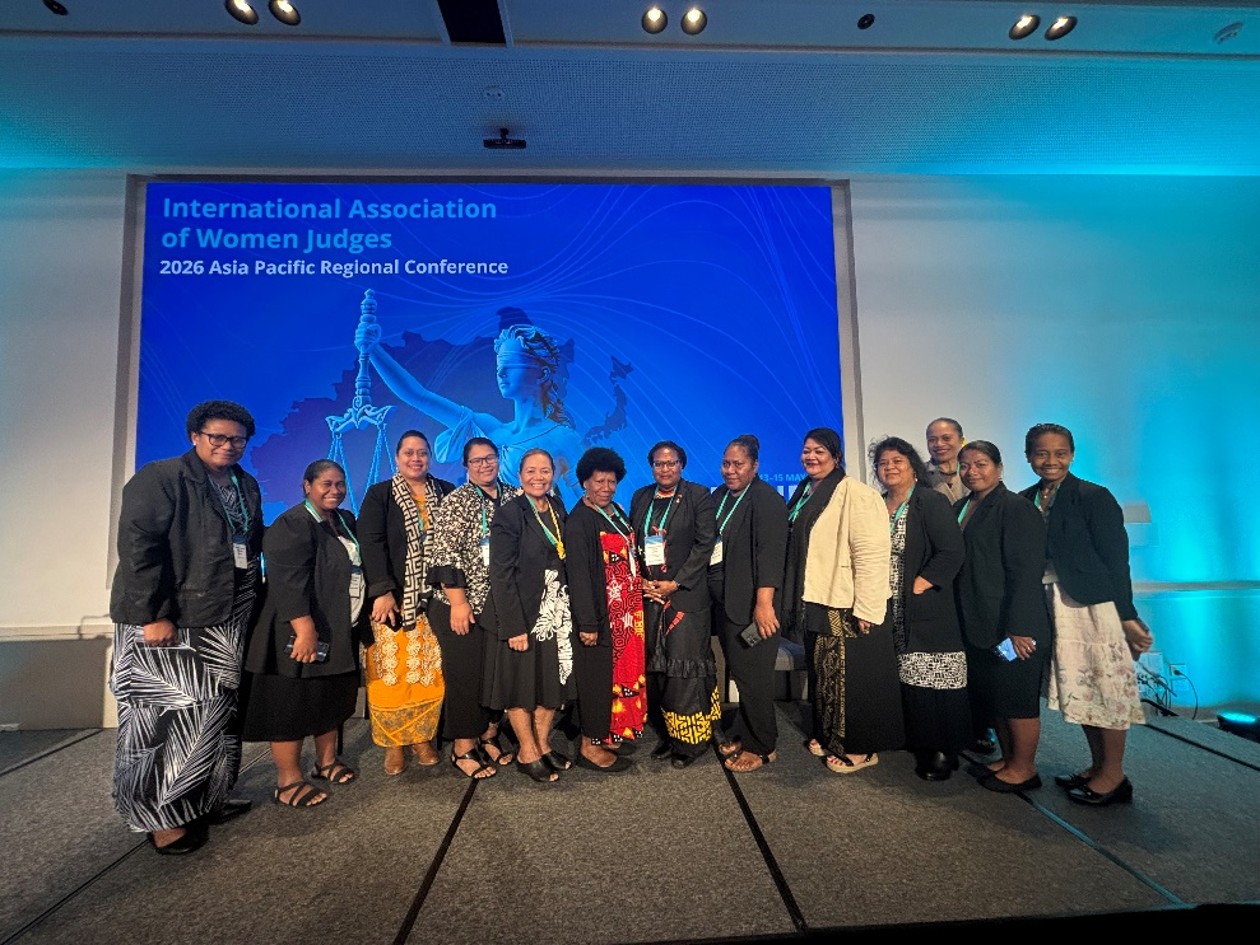
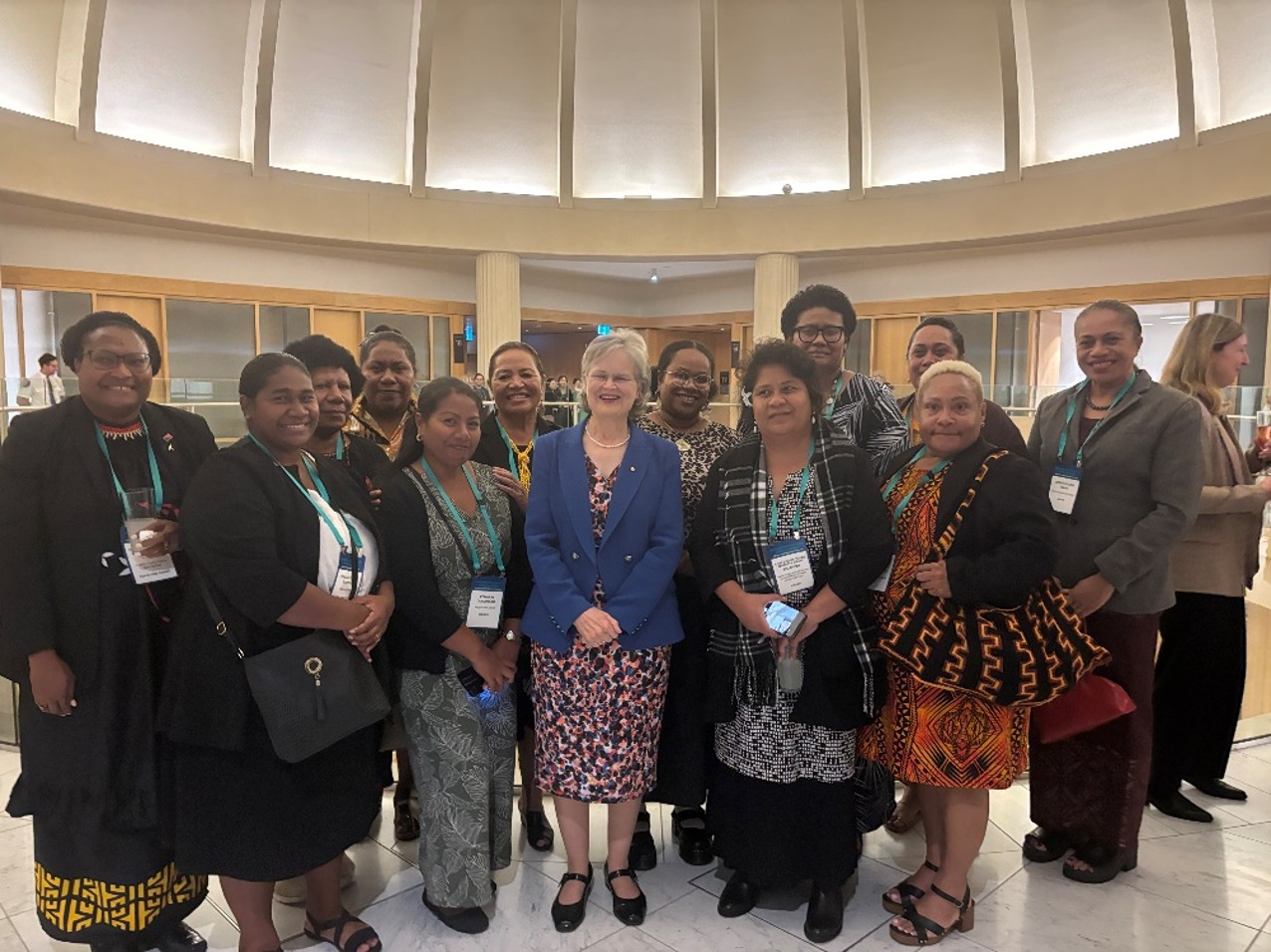
In the inaugural issue of the PAWJO newsletter, we look back at the Association’s first AGM and its transition into a fully established regional network, before heading to Adelaide where Pacific women judicial officers took the stage at the IAWJ Asia-Pacific Conference. We celebrate the achievements and experiences of Judge Alalatoa Rosella Viane Papalii and Principal Magistrate Tearo Ribua Beneteti, explore how judicial leadership is being nurtured in the Marshall Islands, and see how the Kiribati Judiciary is bringing justice closer to remote communities. We also share new research on empowering women across Pacific justice systems and invite PAWJO members to help shape the Association’s work ahead.
Newsletter Issue #1
frangipani web2

About PAWJO

Connecting, supporting and amplifying the voices of women judicial officers across the Pacific.

The Pacific Association of Women Judicial Officers (PAWJO) is a Pacific-led regional association for women serving at all levels of Pacific judiciaries, from community and lay courts to superior courts.

PAWJO brings members together across Micronesia, Melanesia and Polynesia to strengthen culturally responsive and gender-competent judicial leadership, support women to thrive throughout their judicial careers, improve access to justice, share Pacific judicial knowledge and experience, and ensure the voices of Pacific women judicial officers are heard nationally, regionally and internationally.

Established following years of regional collaboration and consultation, PAWJO was formally incorporated in the Republic of the Marshall Islands in November 2025 and elected its inaugural Executive Committee at its first AGM in February 2026. The Association is now implementing its 2026–2029 strategic direction, led by its members and supported by the PAWJO Secretariat.

Whether you are a woman judge, magistrate or lay judicial officer serving in a Pacific jurisdiction, PAWJO is your regional network.

The idea of a Pacific network for women judicial officers has been developing for many years. In 2016, Pacific women judicial officers supported to attend the International Association of Women Judges Conference in Argentina discussed the value of a regional network that reflected the distinctive cultures, legal systems and experiences of the Pacific, including the important roles of women serving in lay and customary courts.

Momentum continued to build, culminating in the Empowering Women in Justice regional workshop in Port Moresby, Papua New Guinea, in September 2024. Forty-four women judicial officers from across the Pacific came together and unanimously agreed to establish a Pacific association. A Steering Komiti, with representation from across the Pacific sub-regions, was elected to guide its development, with the Pacific Justice Sector Programme providing Secretariat support.

Over the following year, the Steering Komiti consulted with more than 240 women judicial officers across 15 Pacific jurisdictions to develop the Association’s objectives, governance arrangements and founding documents. In November 2025, the Pacific Association of Women Judicial Officers (PAWJO) was formally registered and incorporated in the Republic of the Marshall Islands.

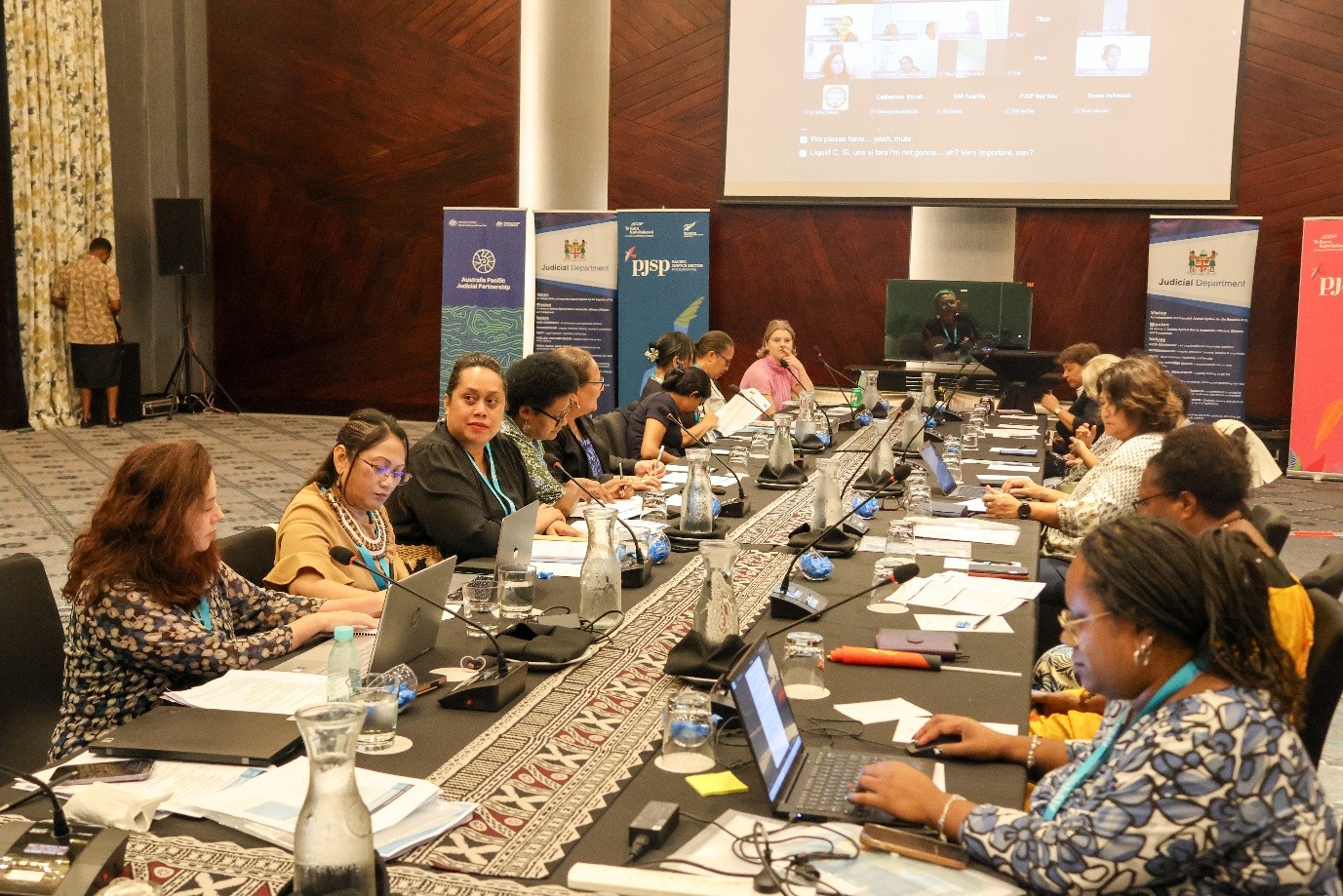
PAWJO held its inaugural Annual General Meeting on 11 February 2026, bringing members together in Fiji and online from across the region. Members elected PAWJO’s first Executive Committee, including representatives from Micronesia, Melanesia and Polynesia, marking the transition from the Steering Komiti to a member-led regional association.

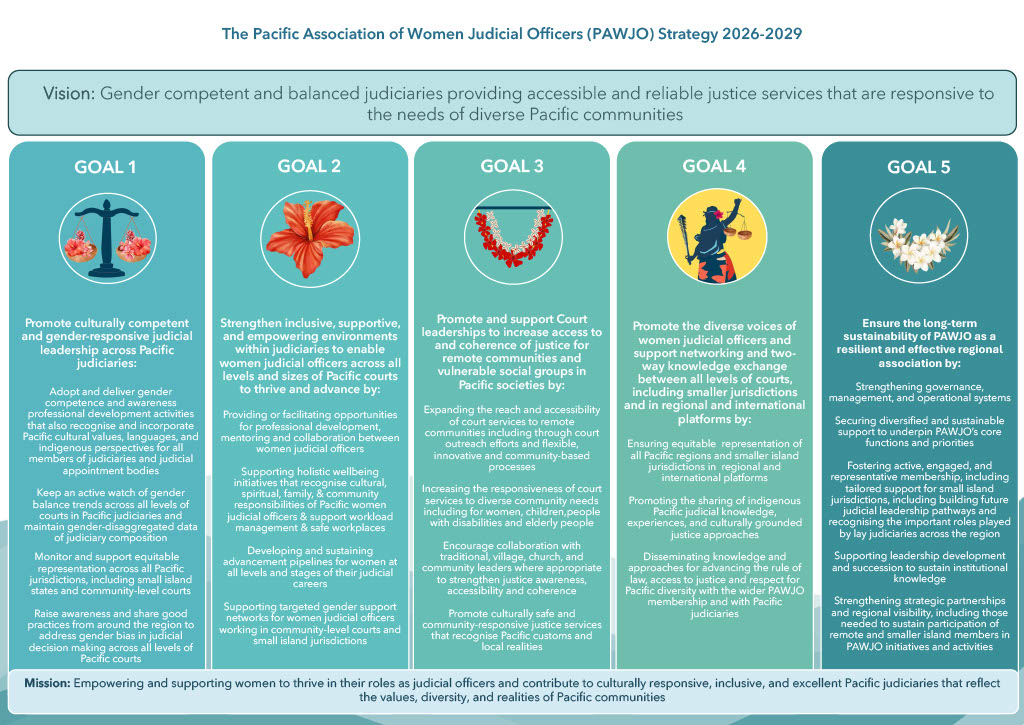
Since then, PAWJO has focused on putting in place the foundations needed to deliver its 2026–2029 Strategy. Five strategic goals now guide the Association’s work, spanning culturally competent and gender-responsive judicial leadership; environments that enable women judicial officers to thrive and advance; access to and coherence of justice for remote communities and vulnerable social groups; the diverse voices of women judicial officers and two-way knowledge exchange; and PAWJO’s long-term sustainability as a resilient and effective regional association.

Our vision

Gender competent and balanced judiciaries providing accessible and reliable justice services that are responsive to the needs of diverse Pacific communities.

Our mission

Empowering and supporting women to thrive in their roles as judicial officers and contribute to culturally responsive, inclusive and excellent Pacific judiciaries that reflect the values, diversity and realities of Pacific communities.

Our strategic goals 2026–2029

Goal 1. 
Promote culturally competent and gender-responsive judicial leadership across Pacific judiciaries:
  • Adopt and deliver gender competence and awareness professional development activities that also recognise and incorporate Pacific cultural values, languages, and indigenous perspectives for all members of judiciaries and judicial appointment bodies.
  • Keep an active watch of gender balance trends across all levels of courts in Pacific judiciaries and maintain gender-disaggregated data of judiciary composition.
  • Monitor and support equitable representation across all Pacific jurisdictions, including small island states and community-level courts.
  • Raise awareness and share good practices from around the region to address gender bias in judicial decision making across all levels of Pacific courts
Goal 2.
Strengthen inclusive, supportive, and empowering environments within judiciaries to enable women judicial officers across all levels and sizes of Pacific courts to thrive and advance by:
  •  Providing or facilitating opportunities for professional development, mentoring and collaboration between women judicial officers.
  • Supporting holistic wellbeing initiatives that recognise cultural, spiritual, family, & community responsibilities of Pacific women judicial officers & support workload management & safe workplaces.
  • Developing and sustaining advancement pipelines for women at all levels and stages of their judicial careers.
  • Supporting targeted gender support networks for women judicial officers working in community-level courts and small island jurisdictions.
Goal 3.
Promote and support Court leaderships to increase access to and coherence of justice for remote communities and vulnerable social groups in Pacific societies by:
  • Expanding the reach and accessibility of court services to remote communities including through court outreach efforts and flexible, innovative and community-based processes.
  • Increasing the responsiveness of court services to diverse community needs including for women, children, people with disabilities and elderly people.
  • Encourage collaboration with traditional, village, church, and community leaders where appropriate to strengthen justice awareness, accessibility and coherence.
  • Promote culturally safe and community-responsive justice services that recognise Pacific customs and local realities.
Goal 4.
Promote the diverse voices of women judicial officers and support networking and two-way knowledge exchange between all levels of courts, including smaller jurisdictions and in regional and international platforms by:
  • Ensuring equitable representation of all Pacific regions and smaller island jurisdictions in regional and international platforms.
  • Promoting the sharing of indigenous Pacific judicial knowledge, experiences, and culturally grounded justice approaches.
  • Disseminating knowledge and approaches for advancing the rule of law, access to justice and respect for Pacific diversity with the wider PAWJO membership and with Pacific judiciaries.
Goal 5. 
Ensure the long-term sustainability of PAWJO as a resilient and effective regional association by:
  • Strengthening governance, management, and operational systems.
  • Securing diversified and sustainable support to underpin PAWJO’s core functions and priorities.
  • Fostering active, engaged, and representative membership, including tailored support for small island jurisdictions, including building future judicial leadership pathways and recognising the important roles played by lay judiciaries across the region.
  • Supporting leadership development and succession to sustain institutional knowledge.
  • Strengthening strategic partnerships and regional visibility, including those needed to sustain participation of remote and smaller island members in PAWJO initiatives and activities.

You can view and download our visual strategy here


Goal

Activity

Year

Narrative

1

Promote culturally competent and gender-responsive judicial leadership across Pacific judiciaries


1.1


Gender Competence Scoping


1

Undertake a scoping exercise to explore how culturally competent and gender-responsive judicial leadership is currently understood and applied across Pacific judiciaries. The scoping piece will identify existing good practice, emerging challenges, resource gaps and opportunities to strengthen gender competence through judicial leadership, education, tools and professional development initiatives. Findings will inform the design and implementation of future activities under Goal 1.

1.2

Chief Justices' Leadership Forum Engagement

1

Promote discussion and leadership on culturally competent and gender-responsive judicial practice through the Chief Justices' Leadership Forum, supporting Chief Justices to advance gender competence within Pacific judiciaries.

1.3

Judicial Induction Guide

1

Develop an induction guide for newly  and current appointed judicial officers that promotes culturally competent and gender-responsive judicial leadership and decision-making.

1.4

Gender Competence Focal Points

1

Identify gender competence focal points within participating judiciaries to promote good practice and support the embedding of gender competencies across judicial training, guidance materials and judicial tools relevant to their jurisdiction.

1.5

Gender Competence Practice Resources

2

Develop two practical resources, tailored respectively for superior courts and lay judiciaries, highlighting Pacific examples of culturally competent and gender-responsive judicial practice.

1.6

Gender Representation Reporting

1,2,3

Advocate for the integration of gender representation reporting into annual court reports and the Chief Justices' Leadership Forum to improve visibility of women's participation across Pacific judiciaries and support evidence-based progress towards gender equality.

Publish annual review of gender disaggregated data across Pacific courts.


2

Strengthen inclusive, supportive, and empowering environments within judiciaries to enable women judicial officers across all levels and sizes of Pacific courts to thrive and advance

2.1

Training and Mentoring Directory


1,2,3

Develop and maintain a directory of training, mentoring and professional development opportunities available to women judicial officers across the Pacific. The directory will improve awareness of available opportunities, support equitable access to learning and leadership development, and strengthen pathways for women judicial officers at all levels of the judiciary to build skills, networks and experience.

2.2

Practical Judicial Leadership Skills Programme

1

Design and deliver an eight-week online leadership programme for women judicial officers, focused on practical leadership, including court administration and people management. The programme will strengthen the knowledge, confidence and capabilities required for leadership and management roles within Pacific judiciaries, while supporting peer learning and professional networks across the region.

2.3

Community-Level Judicial Networks

1,2

Support the establishment of local peer networks for women judicial officers serving in community-level courts in two jurisdictions. The networks will provide opportunities for connection, peer support, professional learning and mentoring, helping reduce professional isolation and strengthen pathways for women working in community, village, island and other lay courts.

2.4

Regional Judicial Mentoring Initiative

1

Establish and promote mentoring opportunities that connect women judicial officers with experienced judicial leaders from across the Pacific. The initiative will encourage the active involvement of Chief Justices and other senior judicial officers, women and men, in supporting leadership development, professional growth and succession planning within Pacific judiciaries.


3

Promote and support Court leaderships to increase access to and coherence of justice for remote communities and vulnerable social groups in Pacific societies

3.1

Access to Justice Innovation Case Studies


1,2

Develop 2-3 page case studies from 5-6 different countries of access-to-justice innovations driven by women judicial officers and compile into “PAWJO Access to Justice Innovations” booklet, and share with courts/partners. Expand initiative for year 2

3.2

Court Outreach and Community Engagement Pilots

1,2

Co-designed outreach / “open courts’  activities in two jurisdictions, (ideally also linked to existing court circuit plans) including preparation and provision of public information/simplified court guides in local language in printed, digital, audio and other formats and prepare a short note on lessons learned to be shared with courts/partners.  Expand initiative for year 2.

3.3

Regional Dialogue on Justice for Vulnerable Groups

1,2,3

Conduct virtual roundtable with courts and justice partners on theme of ‘how courts can respond to needs of vulnerable groups’  including for women, children, persons with disabilities, and older persons. Use outputs from the roundtable to support 2–3 practical recommendations and follow-up with participating courts.

3.4

Court and Community Partnership Initiatives

1,2,3

Develop and implement community partnership plans in collaboration with Chief Justices/Chief Magistrate in two jurisdictions for court engagement with other justice actors and civil society actors, including customary and church leaders, women leaders and social services.

3.5


PNG Court Collaboration Initiative


Develop initiative working across both Village Courts and Magistrate Courts in PNG for targeted response towards GBV victims, including survivors of Sorcery Accusations related Violence (SARV); survivors of politically motivated violence during campaigning, elections, declarations; and women and girls impacted by effects of climate change in low lying coastal islands or other environmental degradation in PNG.  Share quarterly ‘lessons learned’ from this experience with PAWJO, courts and development partners.


4

Promote the diverse voices of women judicial officers and support networking and two-way knowledge exchange between all levels of courts, including smaller jurisdictions and in regional and international platforms

4.1

PAWJO Equitable Participation Policy

1

Develop and implement a policy that promotes fair and transparent access to leadership, speaking, training, travel and representation opportunities across the Association. The policy will support participation by women judicial officers from different regions, court levels and jurisdictions, ensuring opportunities are shared inclusively and reflect the diversity of Pacific judiciaries.

4.2

Pacific Voices at the 2027 IAWJ Conference PAWJO


1

Support a PAWJO-led panel at the International Association of Women Judges conference examining the role of customary authorities in state justice systems. The initiative will elevate Pacific perspectives on legal pluralism, strengthen international engagement, and provide a platform for Pacific women judicial officers to contribute to global judicial conversations.

4.3

Pacific Representation within IAWJ Leadership

1

Advocate for increased Pacific representation within the leadership and governance structures of the International Association of Women Judges and other relevant regional and international networks. The initiative will strengthen the visibility of Pacific perspectives, ensure regional priorities are reflected in international discussions, and create greater opportunities for Pacific women judicial officers to influence global judicial conversations.

4.4

PAWJO Knowledge Hub

1

Develop and maintain a shared online repository of resources, tools, publications and examples of good practice that support delivery of PAWJO's strategic goals.


5

Ensure the long‑term sustainability of PAWJO as a resilient and effective regional association

5.1

Project Design and Management Skills Programme

1

Design and deliver an eight-week online programme focused on practical project design, planning, implementation, monitoring and reporting skills. The programme will strengthen PAWJO's ability to develop, manage and sustain initiatives that advance its strategic goals while building leadership and organisational capability among members.

5.2

Sustainable Secretariat Model

1,2

Assess and develop options for a sustainable secretariat model that can support PAWJO's ongoing operations, coordination and growth. The activity will identify core functions, resource requirements and potential support arrangements needed to sustain the Association over the long term.

5.3


Identify Technical Assistance Requirements for Foundational Activities

1,2

Assess the technical assistance and specialist support required to implement foundational activities during the first two years of PAWJO's workplan. The initiative will help identify priority capacity gaps, inform resource mobilisation efforts, and ensure appropriate expertise is available to support effective delivery of strategic activities

5.4


Sustainable Funding Strategy

1,2

Develop and implement a sustainable funding strategy to support delivery of PAWJO's strategic goals and activities. The initiative will identify funding opportunities, strengthen engagement with donors and partners, and support the development of realistic resourcing plans that enable PAWJO to deliver priority activities and maintain momentum over the long term.

5.5

Chief Justice Engagement

1,2,3

Maintain regular engagement with Chief Justices to strengthen awareness of PAWJO's priorities, activities and achievements. The initiative will promote judicial leadership support for PAWJO's strategic goals, encourage collaboration between courts and the Association, and help ensure PAWJO's work remains relevant to the priorities of Pacific judiciaries

5.6

Communications Templates and Tools

1

Develop practical communications templates, including newsletter, interview and profile formats, to support consistent capture and sharing of PAWJO activities, member achievements and emerging good practices. The resources will strengthen organisational communications and reduce the administrative effort required to produce quality content.

5.7

PAWJO Communications Policy

1

Develop a communications policy that establishes a clear and consistent approach to stakeholder engagement, information sharing, branding and external representation. The policy will support effective communication of PAWJO's work while protecting the integrity, credibility and reputation of the Association.

5.8

Quarterly PAWJO Newsletter

1,2,3

Publish quarterly newsletters highlighting progress against strategic goals, member achievements, upcoming opportunities and activities undertaken across the region. The newsletter will strengthen connections between members, support knowledge sharing and increase visibility of PAWJO's work and impact.

5.9


Volunteer and Pro Bono Support Scoping

1,2,3

Identify opportunities for volunteer and pro bono support that can contribute specialist expertise, reduce administrative pressures and strengthen implementation of PAWJO activities. The initiative will explore partnerships and support arrangements that complement existing capacity and contribute to the sustainability of the Association

5.10


Donor Contributions and Reporting Framework

1

Establish transparent mechanisms for receiving, managing and reporting on donor contributions and other forms of external support. The framework will strengthen accountability, support resource mobilisation efforts and ensure donors and partners receive appropriate information on the use and impact of their contributions.


  • Membership is open to women judges, magistrates or lay judicial officers currently serving in one or more Pacific jurisdictions.
  • To become a member, an annual registration fee is required. This may be paid individually or by your court, which can opt to pay a flat annual fee based on its size—categorised as ‘small’, ‘medium’, or ‘large’ depending on the number of women judicial officers. A court-paid fee covers all eligible women judicial officers from that court who wish to join.
  • Once you submit your membership application, you will be contacted to confirm whether your court has covered your fee or if you need to pay individually.
  • The Komiti/Executive will then review your application to confirm eligibility—that you are an appointed judicial officer and that the membership fee has been paid. The PAWJO Secretariat (Pacific Justice Sector Programme) will notify you of your confirmed membership status.

Download a membership form or do it online 


Read and download the complete PAWJO Bylaws

Membership, questions and general administration: 
Email the secretariat:  pawjo@justice.govt.nz